
Getting enough protein and fiber every day does not have to mean following a complicated meal plan or measuring everything you eat.
Protein helps support muscles, bones, and many important processes in the body, while fiber plays a major role in digestion and can help you feel satisfied after meals. Yet it is easy to fall short of one or both when meals are built around convenience foods.
The good news is that a few simple changes can make it much easier to include both nutrients throughout the day.
Here are four practical ways to add more protein and fiber to your everyday meals.
1. Build Your Meals Around Protein and Fiber
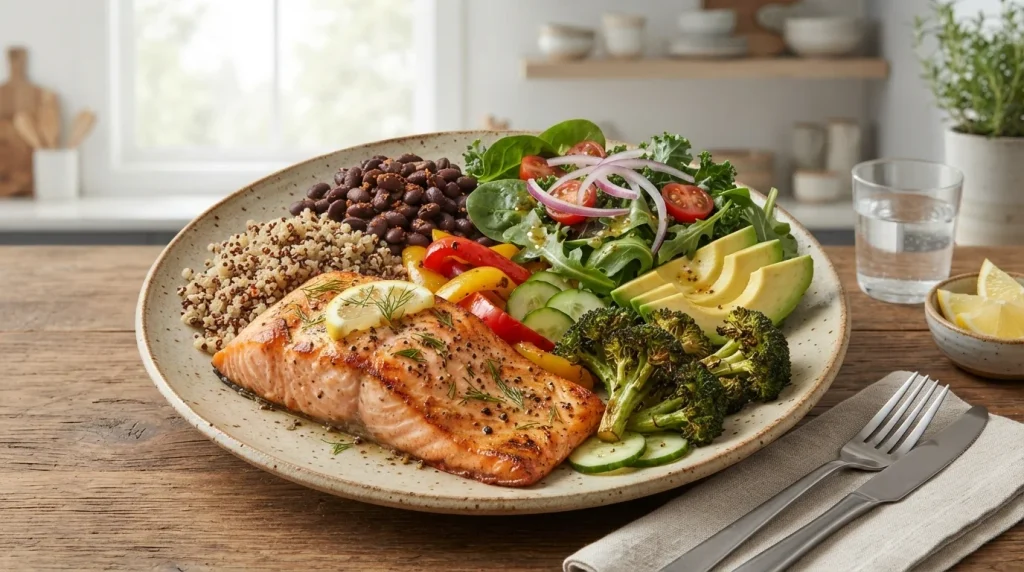
Instead of thinking about protein and fiber as something you need to add at the end of a meal, make them part of the meal from the beginning.
For protein, you can choose foods such as eggs, Greek yogurt, chicken, fish, cottage cheese, beans, lentils, tofu, or lean meat.
For fiber, look toward vegetables, fruits, beans, lentils, whole grains, nuts, and seeds.
A simple breakfast could combine eggs with whole-grain toast and fruit. For lunch, you might have grilled chicken with quinoa and vegetables. A dinner of salmon, roasted vegetables, and beans can provide both protein and fiber without requiring an elaborate recipe.
The goal isn’t to make every plate perfect. It’s simply to make protein and fiber regular parts of your meals.
2. Spread Them Throughout the Day
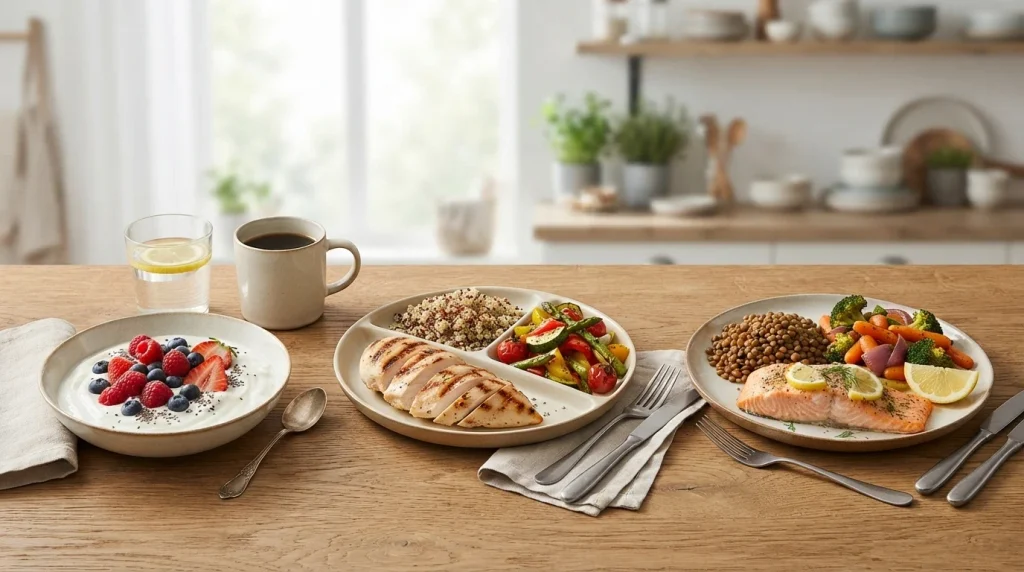
Another easy mistake is getting very little protein or fiber earlier in the day and then trying to make up for it at dinner.
Instead, try distributing these foods across breakfast, lunch, snacks, and dinner.
For example, breakfast could include Greek yogurt with berries and chia seeds. At lunch, add chicken or beans to a grain-and-vegetable bowl. For a snack, pair fruit with nuts or another protein-rich food.
This approach can make your overall intake feel more manageable because you are not relying on one large meal to provide everything.
It can also make meals more satisfying, particularly when protein and fiber replace some less-filling options.
3. Keep a Few Easy Protein and Fiber Foods on Hand

Healthy eating becomes much easier when the ingredients you need are already available.
You don’t need a refrigerator full of specialty foods. A few simple staples can give you plenty of options.
Consider keeping foods such as:
- Eggs
- Greek yogurt
- Canned tuna or salmon
- Chicken or other lean meats
- Lentils and beans
- Oats
- Whole-grain bread
- Frozen vegetables
- Berries and other fruit
- Nuts and seeds
- Chia or flaxseeds
These foods can be mixed and matched in different ways.
For example, oats can be topped with berries, nuts, and seeds. Beans can be added to soups, salads, or rice dishes. Greek yogurt can work as a breakfast, snack, or base for a fruit bowl.
Having simple ingredients available reduces the need to make a completely new healthy meal every day.
4. Make Simple Swaps Instead of Changing Everything

You don’t have to completely redesign your diet to eat more protein and fiber. Small substitutions can gradually improve the nutritional quality of your meals.
Try adding berries and chia seeds to your usual yogurt. Choose whole-grain toast instead of a lower-fiber bread. Add beans or lentils to rice dishes. Put extra vegetables into pasta, omelets, soups, or sandwiches.
You can also combine foods that naturally complement each other.
For example:
Oatmeal + berries + peanut butter
A simple breakfast with fiber, protein, and healthy fats.
Greek yogurt + fruit + chia seeds
An easy snack or breakfast combination.
Chicken + quinoa + vegetables
A balanced lunch or dinner.
Lentils + brown rice + vegetables
A plant-based combination that provides both protein and fiber.
The point is not to make dramatic changes overnight. Small swaps are often easier to maintain over time.
What Happens If You Suddenly Eat Much More Fiber?
If your current diet is relatively low in fiber, increase your intake gradually rather than making a huge jump overnight.
A sudden increase can cause bloating, gas, or abdominal discomfort for some people. Drinking enough fluids and gradually adding more fiber-rich foods can make the transition easier.
Good sources include fruits, vegetables, legumes, whole grains, nuts, and seeds.
If you have a digestive condition or have been advised to follow a specific diet, it is worth discussing major dietary changes with a healthcare professional.
Do You Need the Same Amount of Protein and Fiber as Everyone Else?
Protein requirements can vary depending on factors such as age, body size, activity level, and overall health. Fiber needs can also differ between individuals.
That means there is no single meal plan that works perfectly for everyone.
Rather than becoming focused on hitting an exact number every day, start by looking at your usual meals. Are they regularly providing a source of protein? Are fruits, vegetables, legumes, or whole grains appearing throughout the day?
Those simple questions can reveal where your diet may need improvement.