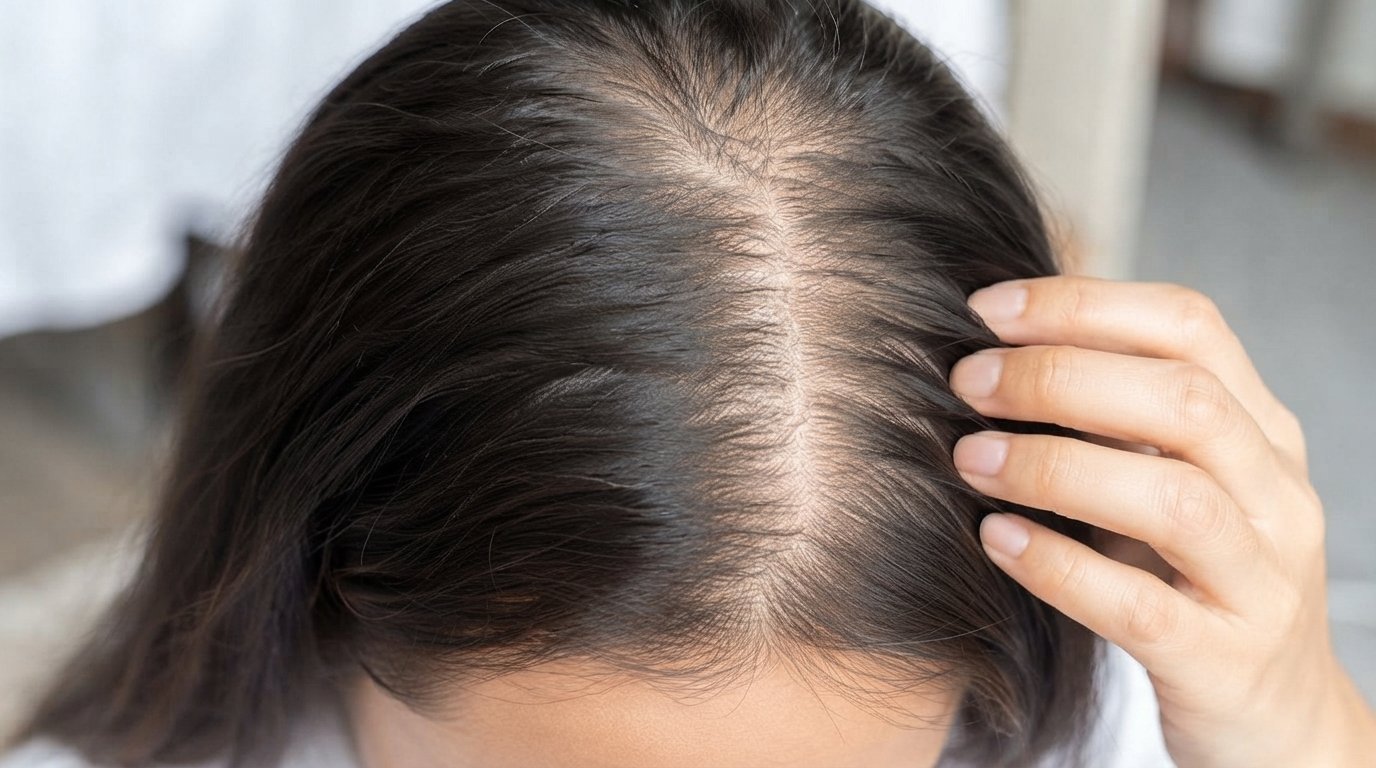
Seeing more hair than usual on your pillow, in the shower drain, or caught in your brush can be unsettling. While hair thinning is often blamed on aging or genetics, your hair can sometimes reflect what is happening inside your body.
Iron plays an important role in carrying oxygen throughout the body and hair follicles are among the tissues that require a steady supply of nutrients to support normal growth. Research has linked iron deficiency with certain types of diffuse hair shedding, particularly when iron stores are low.
That does not mean every case of thinning hair is caused by low iron. It could be genetics, hormones, thyroid problems, stress, illness, medications and other nutritional issues that can all contribute to hair loss.
Common Causes of Thinning Hair
Several factors can contribute to thinning hair:
- Genetics (Androgenetic Alopecia): This is the most prevalent cause of thinning hair, often referred to as male or female pattern baldness. It’s a hereditary condition, meaning the genes can be passed down from either side of the family. In individuals genetically predisposed, hair follicles become sensitive to dihydrotestosterone (DHT), a hormone that causes them to shrink over time, leading to finer, shorter, and less visible hair. About 85% of men and 33% of women experience hair loss at some point in their lives due to this condition.
- Hormonal Changes and Imbalances: Hormones play a significant role in hair growth. Like Dihydrotestosterone (DHT), Estrogen, Thyroid hormones, cortisol.
- Medical Conditions: An autoimmune condition where the immune system mistakenly attacks hair follicles, leading to patchy hair loss. There are two of them: “Alopecia Areata, Scarring Alopecia”.
- Stress: High stress levels can be linked to three types of hair loss, including telogen effluvium, where significant stress pushes a large number of hair follicles into a resting phase, causing hair to shed weeks or months later. Stress releases hormones like adrenaline and cortisol, which can negatively impact hair follicles.
- Nutritional Deficiencies: A balanced diet is vital for healthy hair. Deficiencies in essential nutrients can impact hair growth and structure, like Iron, Zinc, Vitamin D and Vitamins B12, Folic Acid, Protein.
- Lifestyle Factors and Hair Care Practices: Our daily routine can cause this damage. Here are some of them: Aggressive Styling, Heat and Chemical Treatments, Smoking.
Signs of Thinning Hair

Recognizing the early signs of thinning hair can help us address the issue sooner. Look out for these indicators:
- Gradual Thinning on Top of Head: This is the most common sign. In men, it often appears as a receding hairline, while women typically notice a broadening of their hair.
- Widening Part: For women, an increasingly wider part is a key sign of female pattern baldness.
- Receding Hairline: Men often experience a hairline that gradually moves backward from the forehead and temples. An increasingly common pattern in older women is also a receding hairline.
- Thinner Ponytail: If your ponytail feels less substantial than before, it could indicate overall hair thinning.
- Excessive Shedding: While losing 50-100 hairs daily is normal, if you notice significantly more hair in your brush, shower drain, or on your pillow, it could be a sign of thinning.
- Circular or Patchy Bald Spots: Some individuals may experience hair loss in distinct circular or patchy areas on the scalp.
- Changes in Hair Quality and Texture: Hair may become finer, weaker, or more brittle.
What Foods Can Help?
If you are trying to support healthy iron intake through food common sources include:
Heme iron: Red meat, poultry and seafood generally provide iron that is more readily absorbed.
Non-heme iron: Beans, lentils, spinach, fortified grains, nuts and seeds can also contribute to your daily iron intake.
Pairing plant-based sources of iron with foods containing vitamin C can help improve absorption.
When Should You See a Doctor About Hair Loss?
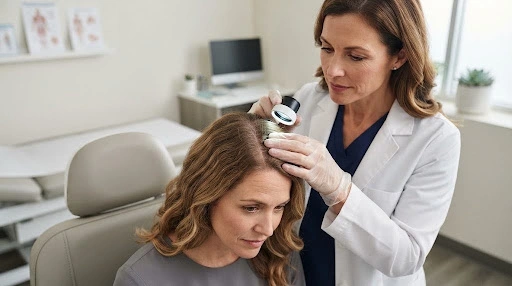
Don’t automatically assume that thinning hair means you have a nutrient deficiency. Genetic hair loss remains one of the most common causes of gradual thinning, while hormonal changes, thyroid disorders, significant stress, illness, medications and certain scalp conditions can also trigger hair loss.
It’s especially worth speaking with a healthcare professional if your hair loss is sudden, severe, patchy, persistent or accompanied by other symptoms.