Have you noticed that getting up from the couch takes more effort than it used to? Or that opening a jar, carrying shopping bags, or walking up a few steps leaves you more tired than before? Many women put this down to “just getting older.” But sometimes it’s your muscles quietly asking for attention.
The condition behind it has a name: sarcopenia. The good news is that you can slow it down, and often improve it, at any age.
What Is Sarcopenia?
Sarcopenia is the gradual loss of muscle mass and strength that happens as we age. Our muscles start shrinking slowly from around our thirties, but the loss speeds up after 60. Without enough protein and movement, the body can’t rebuild muscle as fast as it loses it.
This matters because strong muscles do more than help you look toned. They keep you steady on your feet, protect your joints, and help you stay independent.
Signs of Muscle Loss to Watch For
You don’t need a special test to spot the early signs. Notice if you:
- Need your hands to push yourself up from a chair
- Feel tired or out of breath after a short flight of stairs
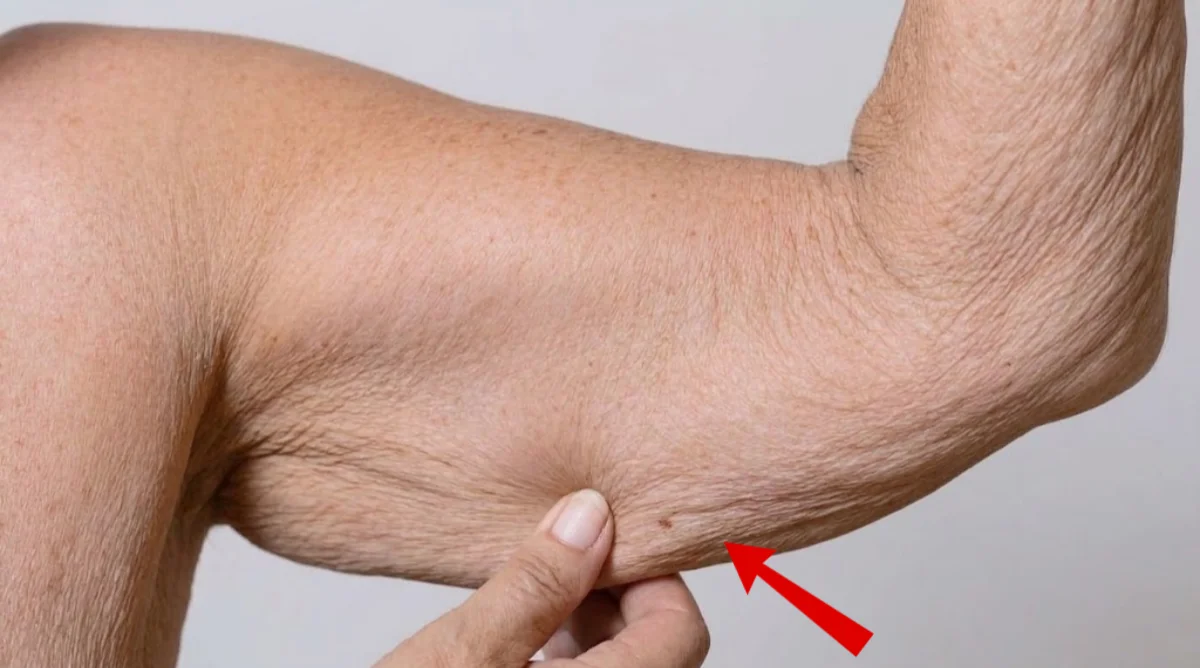
- See your arms and legs becoming thinner or softer
- Walk more slowly than you used to
- Feel unsteady or lose your balance more often
- Find everyday tasks, like lifting a kettle or a bag, harder than before
If several of these sound familiar, it’s a good idea to mention them to your doctor.
Which Parts of the Body Are Affected by Sarcopenia?
Sarcopenia affects muscles all over the body, but some areas show the change earlier than others. Here is what to look for and what can help each area.
Legs and hips (thighs, buttocks, calves)
These large muscles usually lose strength first. You may notice trouble getting up from a chair, climbing stairs, or walking at your usual pace.
What helps: chair stands, heel raises while holding a counter, step-ups on the bottom stair with a rail, and a daily walk.
Core and back
Weak core muscles can affect your posture and balance, and may make you feel unsteady when standing or turning.
What helps: seated marches, gentle bridges (lying on your back and lifting your hips slightly), and standing tall with your shoulders relaxed.
Hands and forearms (grip strength)
A weak grip makes opening jars, holding a kettle, or carrying bags harder. Grip strength is often used as a quick sign of overall muscle health.
What helps: squeezing a soft ball or rolled towel, and carrying light shopping bags.
Arms and shoulders
Everyday tasks like lifting a pot, reaching a shelf, or pushing yourself up become tiring.
What helps: wall push-ups, resistance bands, and lifting light weights or water bottles.
Less visible muscles
In more advanced cases, the muscles used for breathing and swallowing can also weaken. If you notice breathlessness or trouble swallowing, speak to your doctor.
Start gently, stop if you feel pain or dizziness, and check with your doctor before starting a new routine.
Why Do We Lose Muscle With Age?
There’s rarely one single cause. Usually several things add up.
- Changes in the body. As we get older, hormone levels shift, and the body becomes less efficient at turning food into muscle. Recovery after activity also takes longer.
- Not enough movement. Muscles follow a simple rule: use them or lose them. Long hours of sitting speed up muscle loss faster than almost anything else.
- Not enough protein. Many older women eat smaller meals and less protein, so the body doesn’t get the building blocks it needs.
- Low vitamin D. This vitamin supports muscle strength, and low levels are common in people who spend most of the day indoors.
- Health conditions. Diabetes, thyroid problems, and ongoing inflammation can all make muscle loss worse.
How to Slow Down Muscle Loss
The encouraging part: muscles respond to training even in your 70s and 80s. These simple steps can help.
Do Light Strength Exercises
Aim for two or three short sessions a week. Easy options include:
- Standing up and sitting down from a chair
- Wall push-ups
- Lifting light weights or water bottles
- Using resistance bands
- Heel raises while holding a counter
Add a daily walk, even 10 to 15 minutes, to keep your legs and heart active.
Eat Enough Protein
Try to include some protein in every meal, not just dinner. Good choices are eggs, yogurt, milk, lentils, beans, fish, chicken, and nuts. Spreading protein through the day works better than eating it all at once.
Get Enough Vitamin D
Spend a little time in daylight each day, and ask your doctor whether your levels need checking.
Rest Well and Stay Hydrated
Good sleep and enough water help your muscles recover and work properly.
Go Easy on Processed Foods
Too much sugar, fried food, and ultra-processed snacks can leave you tired and push out the nutrient-rich foods your muscles need.
Frequently Asked Questions About Sarcopenia
What is sarcopenia in simple words?
Sarcopenia is the slow loss of muscle size and strength that comes with age. It makes everyday things like standing up, climbing stairs, and carrying bags feel harder.
At what age does sarcopenia start?
Muscle loss begins quietly in your thirties and forties, and it speeds up after 60. That is why small habits started early make a real difference.
What are the first signs of sarcopenia?
Common early signs are needing your hands to get up from a chair, walking more slowly, feeling weaker when you lift things, getting tired easily, and feeling less steady on your feet.
Which muscles are affected first by sarcopenia?
The big muscles of the legs and hips often show changes first, which is why climbing stairs and standing up can become harder. Grip strength, core, and arm muscles are affected too.
Can sarcopenia be reversed?
Many people can improve their muscle strength with regular strength exercises and enough protein, even in their 70s and 80s. How much improvement you see depends on your health, so it is best to ask your doctor what is realistic for you.
What is the best exercise for sarcopenia?
Simple strength exercises such as chair stands, wall push-ups, and resistance band work are good starting points. Add a daily walk, and increase slowly as you feel stronger.
How much protein do older adults need?
Needs differ from person to person, so ask your doctor or a dietitian about the right amount for you. A good habit is to include a protein food in every meal rather than only at dinner.
Can walking alone prevent sarcopenia?
Walking is excellent for your heart, legs, and energy, but it works best together with some strength exercises. Muscles need a little resistance to stay strong.
Is sarcopenia the same as normal aging?
Some muscle loss is a normal part of aging, but sarcopenia is when the loss becomes big enough to affect your strength and daily life. The good news is that it can often be slowed.
When should I see a doctor about muscle loss?
See your doctor if you have frequent falls, sudden weakness, fast unexplained weight loss, or trouble getting up and walking. They can check for other causes and guide you safely.
Final Thoughts
Sarcopenia isn’t something you just have to accept. With regular movement, protein-rich meals, and a bit of attention to the early signs, you can protect your strength, your balance, and your independence for many years. Strong legs, a steady core, and a firm grip are small things that keep you independent. Start small. A few chair stands and an extra egg at breakfast are a good beginning.
Disclaimer: This article is for general information only and isn’t a substitute for professional medical advice. Please talk to your doctor before changing your diet or starting a new exercise routine.