A heart attack doesn’t always begin with severe chest pain. Sometimes the first clue is something much less obvious, a sudden lack of energy, trouble catching your breath, nausea, sweating, or an uncomfortable feeling somewhere else in the body.
That’s part of what makes heart attacks difficult to recognize. Symptoms can appear suddenly, but they can also build gradually or disappear and return. What seems like indigestion, exhaustion, or a minor muscle problem may occasionally be something more serious.
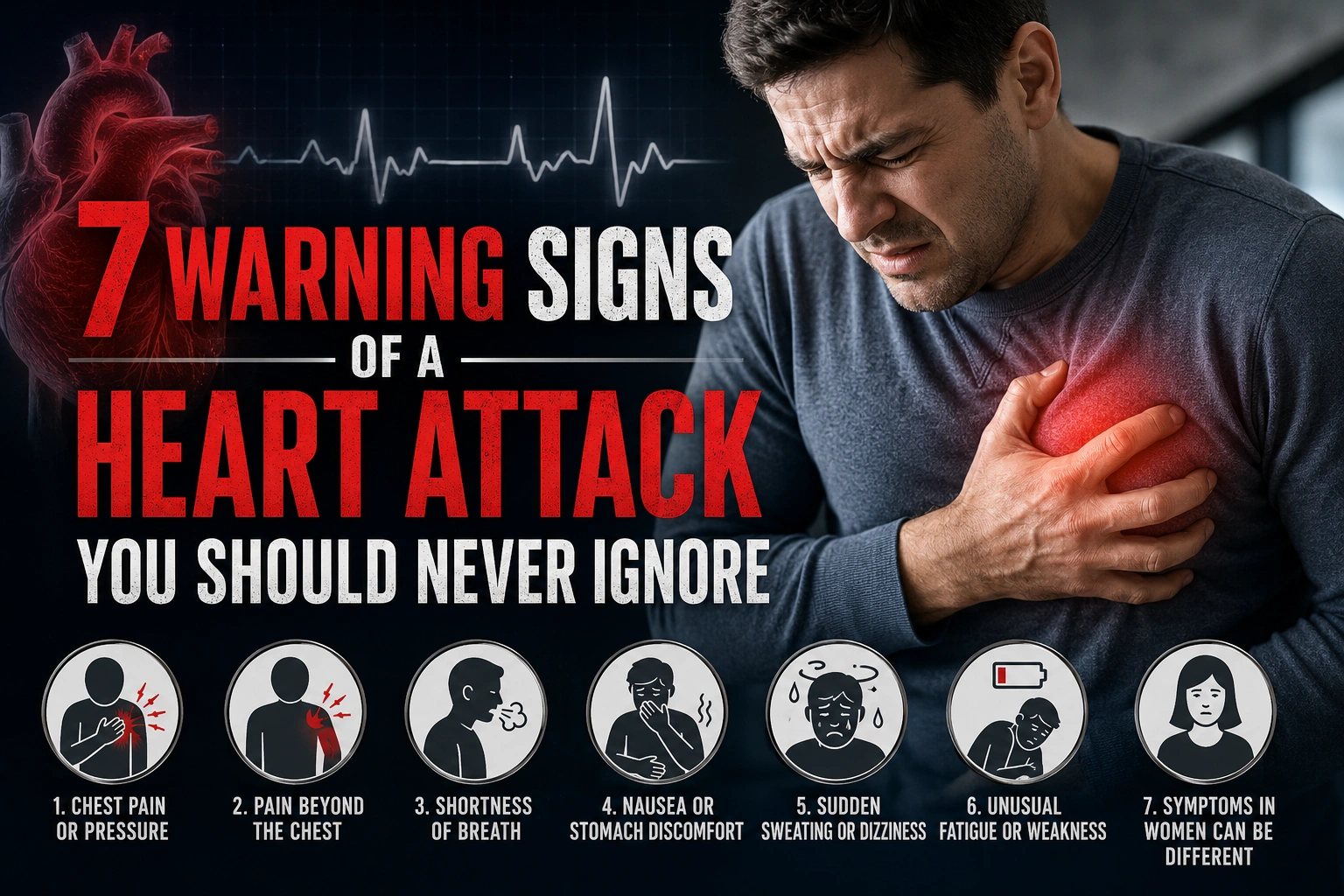
1. Chest Pain or Pressure
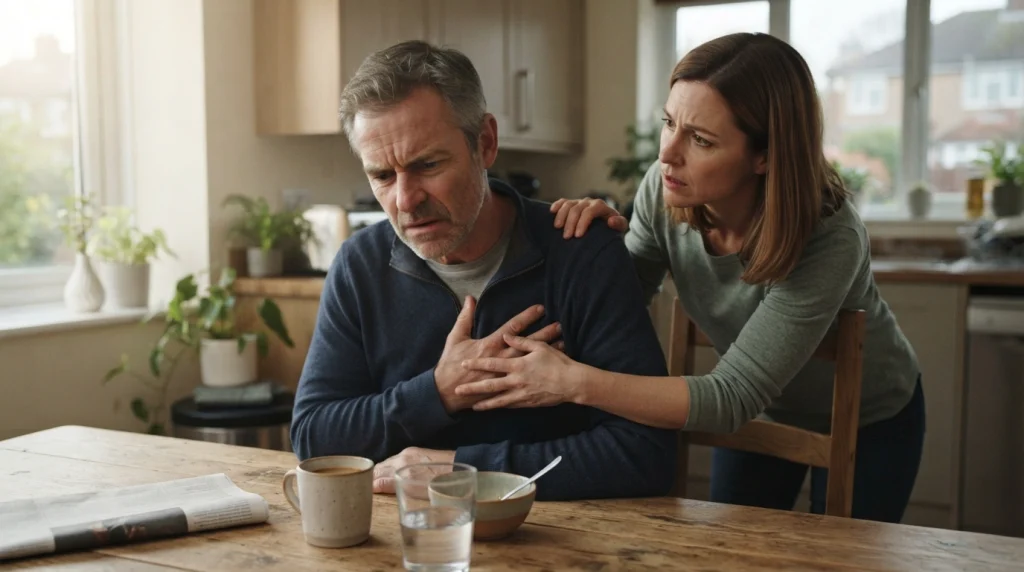
Chest discomfort is probably the symptom most people associate with a heart attack. But it doesn’t necessarily feel like a sharp pain.
It may feel more like pressure, squeezing, heaviness, fullness, or tightness in the middle of your chest. Some people describe it as though something is pressing down on their chest. The sensation can last for several minutes, ease up, and then return.
Chest discomfort has plenty of possible causes, including heartburn and muscle strain. The surrounding symptoms can provide an important clue. Pressure or tightness that occurs with sweating, nausea, dizziness, difficulty breathing, or discomfort in the upper body shouldn’t be ignored.
2. Pain Beyond the Chest

Pain or pressure related to a heart attack can spread to the arms, shoulders, back, neck, jaw, or upper abdomen. It may affect one side of the body or both.
That can easily lead someone to think they slept in the wrong position or pulled a muscle. A sore shoulder or aching back is common and usually has nothing to do with the heart.
Still, unexplained upper-body discomfort deserves more attention when it starts suddenly or appears alongside other possible heart attack symptoms.
3. Shortness of Breath
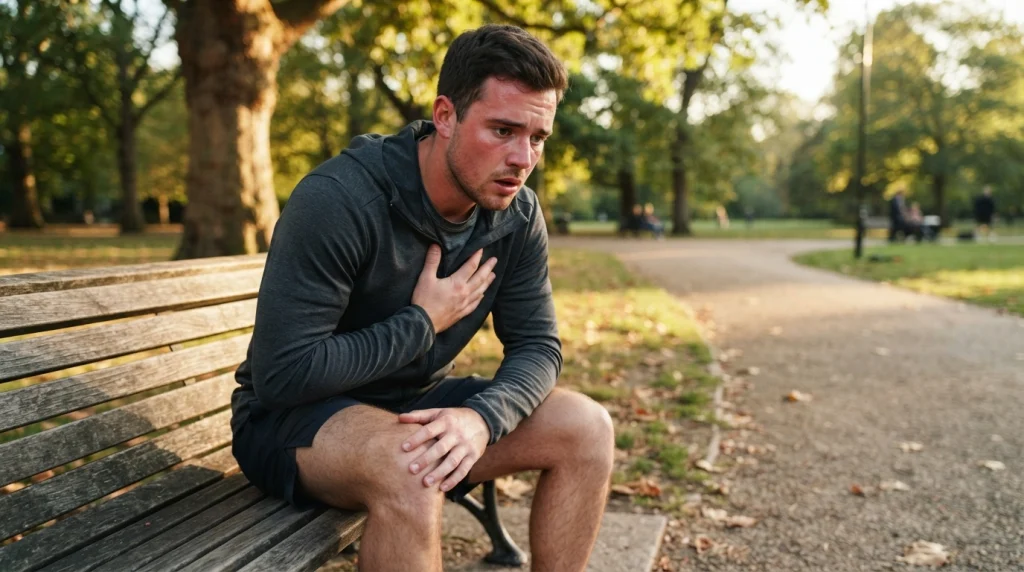
Suddenly struggling to catch your breath when you haven’t been exercising is different from ordinary breathlessness after climbing stairs or running. You may feel as though you can’t get enough air or that breathing takes more effort than usual. Shortness of breath can happen before chest discomfort, at the same time as it, or without noticeable chest pain at all. The medical term for it is dyspnea.
There are many reasons someone might become short of breath, including asthma, anxiety, lung problems, and other medical conditions. But unexplained breathing difficulty, especially when it starts suddenly, should be taken seriously.
4. Nausea or Stomach Discomfort

Not every heart attack feels like a heart problem. Sometimes it can seem more like something went wrong with your stomach.
Nausea, vomiting, or discomfort in the upper abdomen may occur during a heart attack. It’s easy to blame these symptoms on a meal, indigestion, or a stomach bug and simply wait for them to settle.
That may be reasonable when stomach symptoms occur on their own and have an obvious explanation. But sudden nausea or vomiting accompanied by chest discomfort, sweating, dizziness, breathing difficulty, or unexplained upper-body pain is more concerning
5. Sudden Sweating or Dizziness

A cold sweat can come out of nowhere. You may also suddenly feel lightheaded, unsteady, or as though you could faint.
Neither symptom automatically points to a heart attack. People sweat because they’re hot or physically active, and dizziness can happen with dehydration, exhaustion, or a sudden drop in blood pressure.
The situation is different when these symptoms appear unexpectedly with other warning signs. Cold, unexplained sweating combined with chest discomfort, nausea, breathing trouble, or upper-body pain warrants urgent medical attention.
6. Unusual Fatigue or Weakness

Sometimes the warning sign isn’t pain at all. It’s a level of tiredness that feels completely out of character. You might feel unusually weak after doing very little. Getting through a normal routine may suddenly seem like hard work. It’s not the same as being tired after a long day or missing a few hours of sleep.
Fatigue can be caused by countless things, which is why this symptom is so easy to overlook. Women, in particular, may experience unusual tiredness as part of a heart attack. When severe or unexplained weakness occurs with shortness of breath, chest discomfort, nausea, dizziness, or other concerning symptoms, don’t simply assume you need more rest.
7. Symptoms in Women Can Be Different

Women can have the same classic heart attack symptoms as men, including chest pressure or discomfort. However, they may also experience symptoms such as unusual fatigue, shortness of breath, nausea, vomiting, or discomfort in the back, shoulder, arm, or jaw.
These symptoms can be surprisingly easy to misread. A woman may think she’s dealing with stress, indigestion, poor sleep, or a muscle problem instead.
That doesn’t mean every episode of nausea, fatigue, or back pain is heart-related. These symptoms are common and have many possible causes. What matters is noticing a sudden or unusual change, particularly when several symptoms occur together.
How Long Does Your Body Warn You Before a Heart Attack?
There is no set amount of time between the first warning sign and a heart attack.
For some people, symptoms develop gradually. Others may have a sudden and severe onset. Symptoms can also improve temporarily before returning or becoming more noticeable.
Because there is no predictable countdown, it’s risky to wait for symptoms to reach a certain level before getting help. If you think you’re having a heart attack, seek emergency medical care even if you’re not completely sure.
When Should You Seek Emergency Help?
If you suspect that you or someone else is having a heart attack, call your local emergency medical service immediately. Don’t wait to see whether the symptoms disappear or become more severe.
If an ambulance service is available, calling an ambulance is generally preferable to driving yourself to the hospital. Emergency responders can begin assessing the situation and provide care while you’re being transported.
And don’t try to diagnose the problem yourself. Chest discomfort, breathing difficulty, sudden sweating, unusual weakness, and other symptoms can have many causes. But when a heart attack is a possibility, getting urgent medical attention is the safest choice.