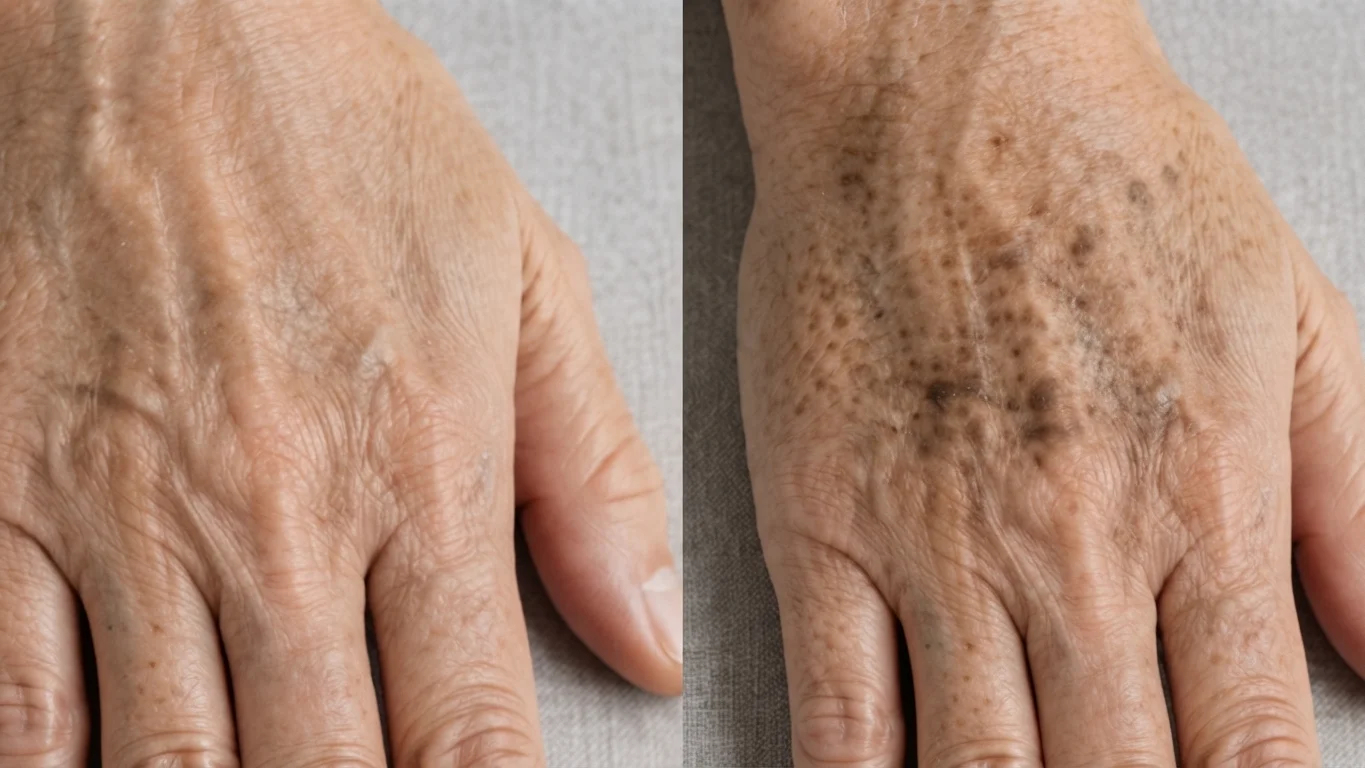
Cortisol is not a bad hormone. Our body needs it to help regulate blood sugar, blood pressure, inflammation, metabolism, and your sleep-wake cycle. Levels normally rise around the morning and fall later in the day. The concern is when cortisol remains abnormally elevated for prolonged periods, which can happen with certain medical conditions or long-term corticosteroid use.
The important part is not to diagnose yourself from a list of symptoms. Many of these signs can have several different causes. Still, recognizing patterns can encourage you to look more closely at your sleep, stress, activity, diet, and overall health.
9 Silent Signs Your Cortisol May Be Running High
1. You’re gaining weight, especially around your middle

One of the signs people commonly associate with high cortisol is unexplained weight gain. Cortisol influences how your body handles glucose and energy, and prolonged abnormal cortisol exposure can be associated with weight gain, particularly around the abdomen and face.
But there is an important distinction here, ordinary stress does not automatically mean you have clinically high cortisol. Weight can change because of diet, inactivity, sleep deprivation, medications, hormonal changes, or numerous other factors.
2. Your sleep feels completely out of rhythm

Cortisol and sleep have a close relationship. Under normal circumstances, cortisol tends to be higher in the morning and lower toward bedtime, helping your body follow a natural day-night rhythm. Chronic sleep problems can also contribute to higher cortisol, creating an uncomfortable cycle where stress makes sleep harder and poor sleep makes stress harder to manage.
High cortisol can disrupt your natural sleep-wake cycle, making it challenging to fall or stay asleep. You might feel “tired but wired” at night, experience insomnia, or wake up frequently during the night or very early in the morning.
3.Increased Anxiety, Irritability, or Mood Swings
Elevated cortisol can heighten feelings of anxiety, restlessness, and lead to significant mood swings or irritability. It can also contribute to “brain fog” or difficulty concentrating.
Persistently elevated stress can be associated with anxiety, mood changes, irritability, and difficulty relaxing.
Think of it like keeping your foot on a car’s accelerator. Your body can handle short bursts of acceleration, but constantly pressing the pedal is another story.
4.Persistent Fatigue or Feeling Drained
Despite potentially struggling with sleep, chronically high cortisol can paradoxically leave you feeling constantly exhausted, both physically and mentally. Your body is in a prolonged state of stress that is difficult to sustain.
Abnormally high cortisol associated with conditions such as Cushing syndrome can also be accompanied by fatigue, general weakness, and weakened muscles.
5.Frequent Headaches or Migraines

Sustained high cortisol levels may contribute to tension headaches or migraines. Chronic stress can cause persistent muscle tension, particularly in the neck and shoulders, and alter pain pathways in the brain, increasing the frequency or intensity of headaches.
6. You notice unusual skin changes
Some physical changes are more specific to clinically significant cortisol excess than everyday stress. These can include easy bruising, slow wound healing, and wide pink or purple stretch marks, particularly on the abdomen, breasts, hips, or other areas.
You may also notice changes in body shape, such as increased fat around the face or upper back, combined with thinner-looking arms and legs or muscle weakness. These symptoms are more concerning when they appear together.
7. Your muscles feel weaker than usual
There is a difference between being tired after a workout and experiencing persistent muscle weakness. Clinically high cortisol can be associated with weakness, particularly in the muscles of the upper arms and thighs.
If climbing stairs, standing from a chair, lifting everyday objects, or performing activities that used to feel normal suddenly becomes much harder, don’t simply assume you need more protein or exercise.
8.High Blood Pressure

Cortisol plays a role in regulating blood pressure, and when its levels remain elevated, it can contribute to high blood pressure by causing the body to retain salt and water, and by tightening blood vessels.
9.Changes in Libido or Menstrual Irregularities
In women, high cortisol can interfere with the body’s normal hormonal balance, potentially leading to irregular or absent menstrual periods, lower libido, or even difficulty conceiving. Men may also experience reduced libido.
How to Lower Cortisol Naturally and Support a Healthier Stress Response
The internet is full of cortisol hacks, detox drinks, powders, and expensive supplements. The reality is much less glamorous and probably more useful.
There is no single food, drink, pill, or morning routine that magically fixes cortisol. My guidance emphasizes looking at the bigger lifestyle picture, including sleep, physical activity, nutrition, stress management, and relationships.
Prioritize quality sleep
Chronic sleep problems can contribute to higher cortisol, while a healthy sleep routine helps support the body’s normal daily rhythm.
Move your body regularly
Exercise is one of the most reliable tools for managing stress and supporting overall health. Regular physical activity can improve sleep and help reduce stress, while activities such as walking can provide an immediate mental break from a stressful environment.
Try slow breathing or mindfulness
When stress rises, your body can behave as though something urgent is happening—even when you’re sitting safely at home.
Slow breathing, meditation, mindfulness, yoga, and similar relaxation techniques can help calm the nervous system and manage stress.
Spend some time outside
Nature can be surprisingly powerful for stress management. Research summarized and suggests that spending time in green spaces can reduce stress and cortisol levels.
Cutting back on caffeine and alcohol
Excessive alcohol, added sugars, and large amounts of caffeine may make stress or sleep problems harder to manage for some people.
When Should You Talk to a Doctor?

If you have several persistent symptoms—especially rapid unexplained weight gain, new purple stretch marks, easy bruising, muscle weakness, high blood pressure, or elevated blood sugar—it’s worth speaking with a healthcare professional. These can occur with Cushing syndrome, a genuine medical condition involving excessive cortisol.
Conclusion
Cortisol isn’t your enemy. Your body needs this hormone to wake you up, manage energy, regulate metabolism, respond to challenges, and perform many other essential functions. The real concern is persistently abnormal cortisol, particularly when it occurs because of an underlying medical condition.