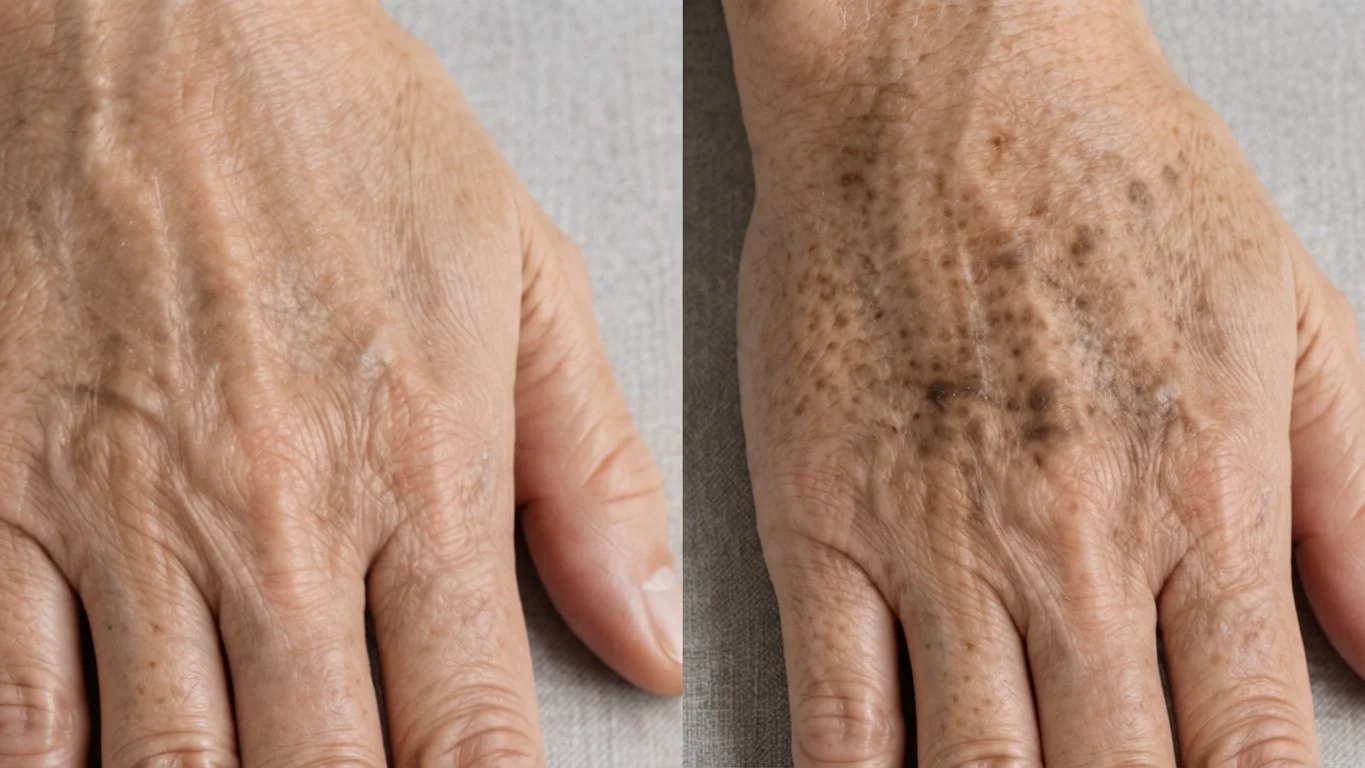
You look down at your hands or arms and suddenly notice something you don’t remember seeing so clearly before: your veins.
Maybe they’re more noticeable after a workout. Maybe they seem to stand out on a hot day. Or perhaps you’ve noticed them becoming increasingly visible over the past few weeks.
Seeing prominent veins can be surprising, but it doesn’t automatically mean something is wrong.
Your veins can become easier to see for several ordinary reasons, including changes in body fat, exercise, temperature, aging and the way blood moves through your body. In some cases, however, a new or unusual change can deserve medical attention.
So why are your veins suddenly more visible?
Here are seven possible reasons.
1. You’ve Been Exercising More
One of the most common explanations is increased physical activity.
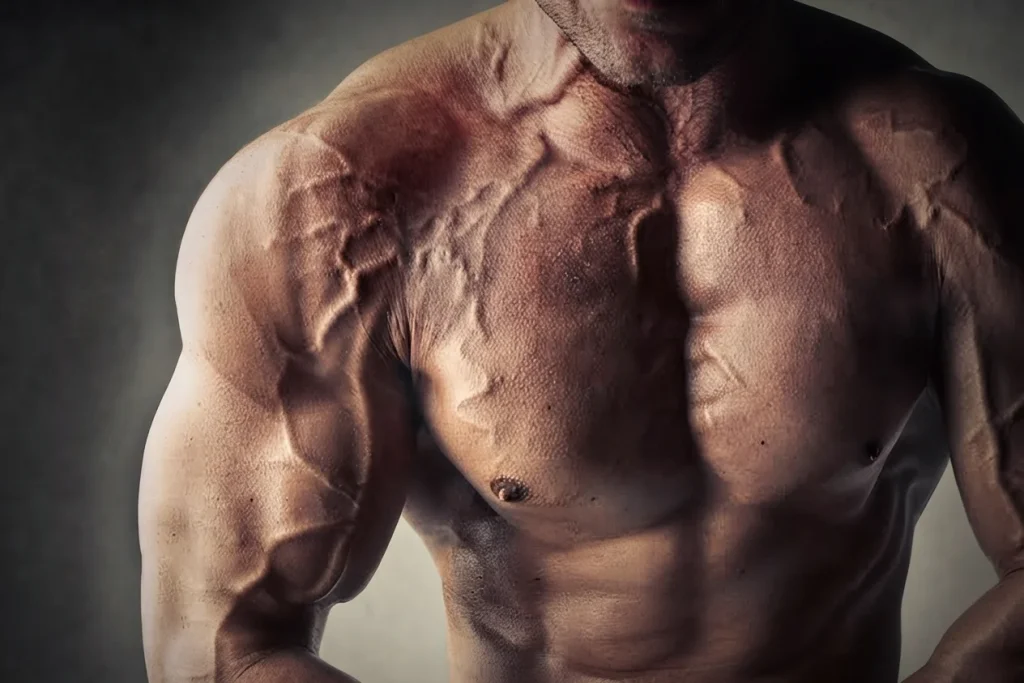
During exercise, your muscles need more oxygen and nutrients, so blood flow increases. This can temporarily make superficial veins — the veins located close to the skin — appear more prominent.
Weight training can make the effect especially noticeable around the arms and hands. As muscles become larger, the veins underneath the skin may also become easier to see.
That’s why someone may notice much more visible veins immediately after lifting weights or doing an intense workout.
The important detail is that this doesn’t necessarily mean the veins themselves have suddenly changed permanently. Sometimes you’re simply seeing the temporary effects of increased blood flow and muscle activity.
2. You’ve Lost Body Fat

Another reason can be surprisingly simple: there’s less tissue covering your veins.
When body fat decreases, veins close to the surface of the skin can become more noticeable, particularly on the hands, forearms and arms. Some Scientists notes that a lower percentage of body fat can make veins more prominent.
This is one reason visible veins are sometimes associated with being lean or physically active.
But visible veins aren’t a reliable way to judge someone’s fitness. Two people with similar body weights can have very different-looking veins because genetics, skin thickness, muscle mass and body-fat distribution vary from person to person.
If you’ve recently lost weight intentionally, the change may simply be making veins that were already there easier to see.
3. Heat Can Make Them Stand Out
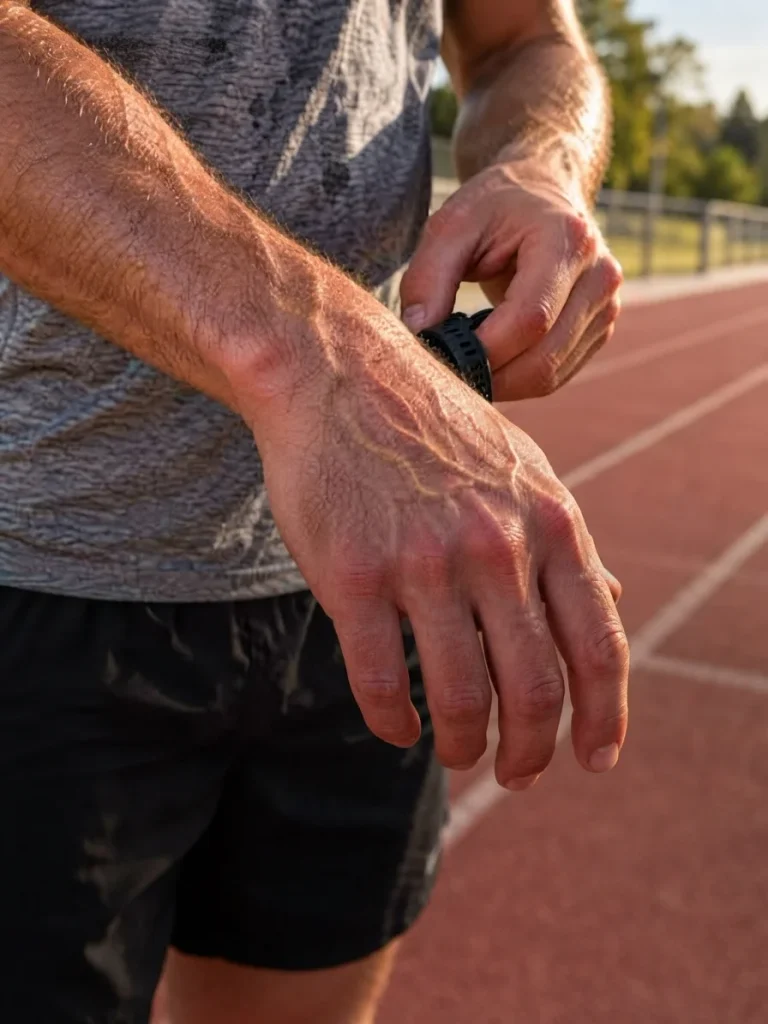
Have you ever noticed your hands looking different after a hot shower or exercise on a warm day?
Temperature can affect your blood vessels.
When your body needs to release heat, blood vessels near the skin can widen, increasing blood flow toward the surface. This process, known as vasodilation, can make superficial blood vessels more noticeable.
That means your veins may look more prominent during or after:
- Hot weather
- A hot shower
- Exercise
- Spending time in a warm environment
Once your body cools down, the appearance may become less noticeable again.
So if your veins seem to appear and disappear depending on the temperature or what you’re doing, there’s often a fairly ordinary explanation.
4. Skin Changes as You Get Older
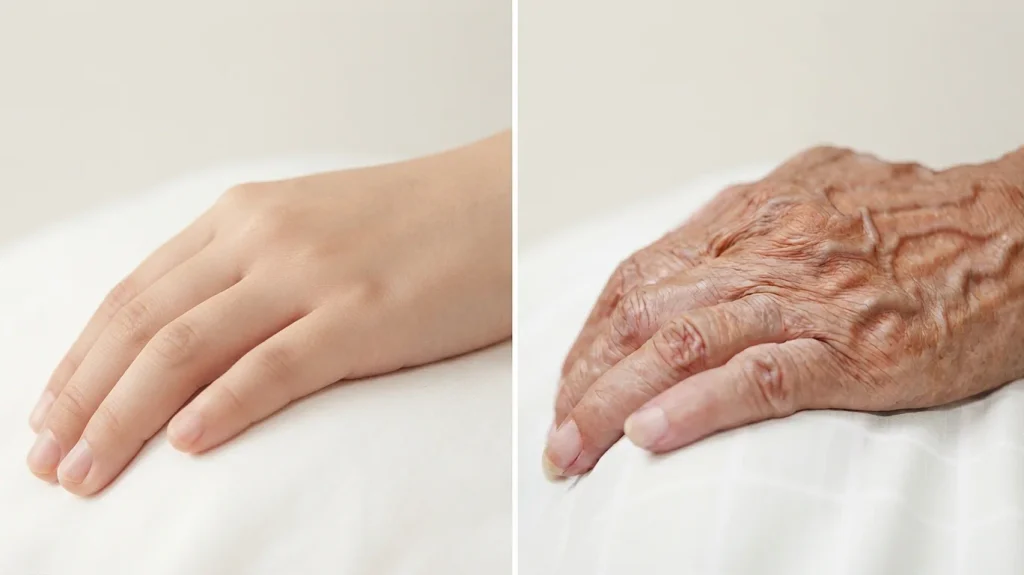
Visible veins can also become more noticeable with age.
As you get older, your skin becomes thinner and less elastic. The tissues covering superficial veins can change as well, making veins easier to see through the skin. Some scientist specifically notes that aging can make veins more visible because the skin becomes thinner and less elastic.
This doesn’t necessarily mean the vein itself is unhealthy.
Sometimes the underlying vein hasn’t changed dramatically at all — there’s simply less tissue hiding it.
Age can also increase the likelihood of varicose veins because the walls and valves of veins can weaken over time. When valves don’t work properly, blood can pool and cause veins to become enlarged and twisted.
5. Your Veins May Be More Prominent Because of How You’re Standing or Sitting
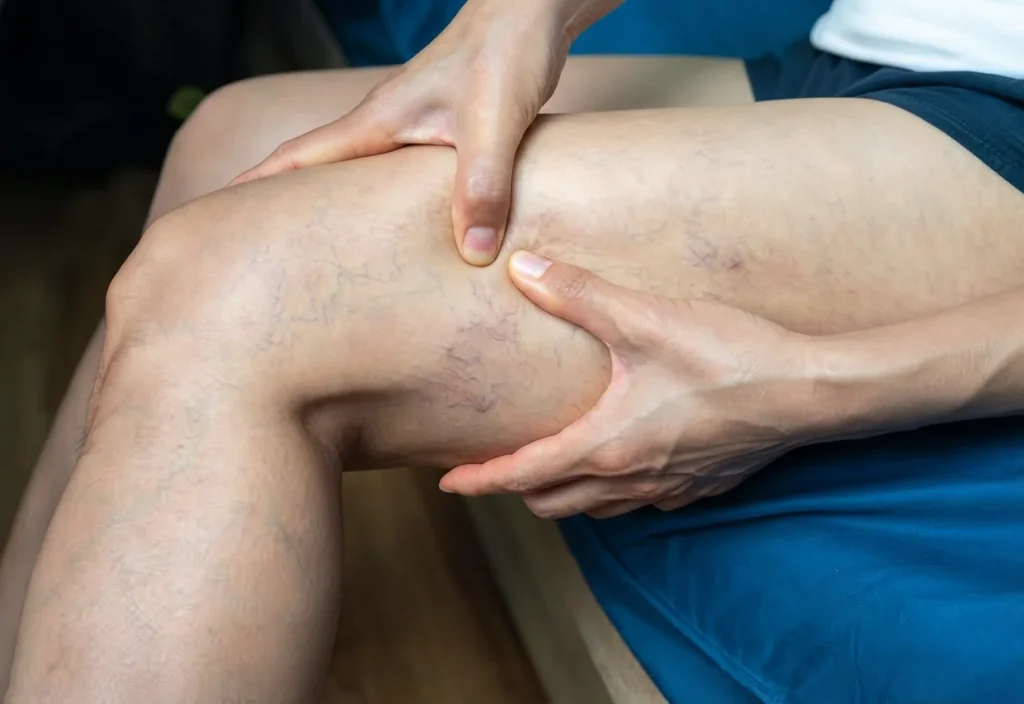
Your daily routine can also influence how noticeable certain veins become.
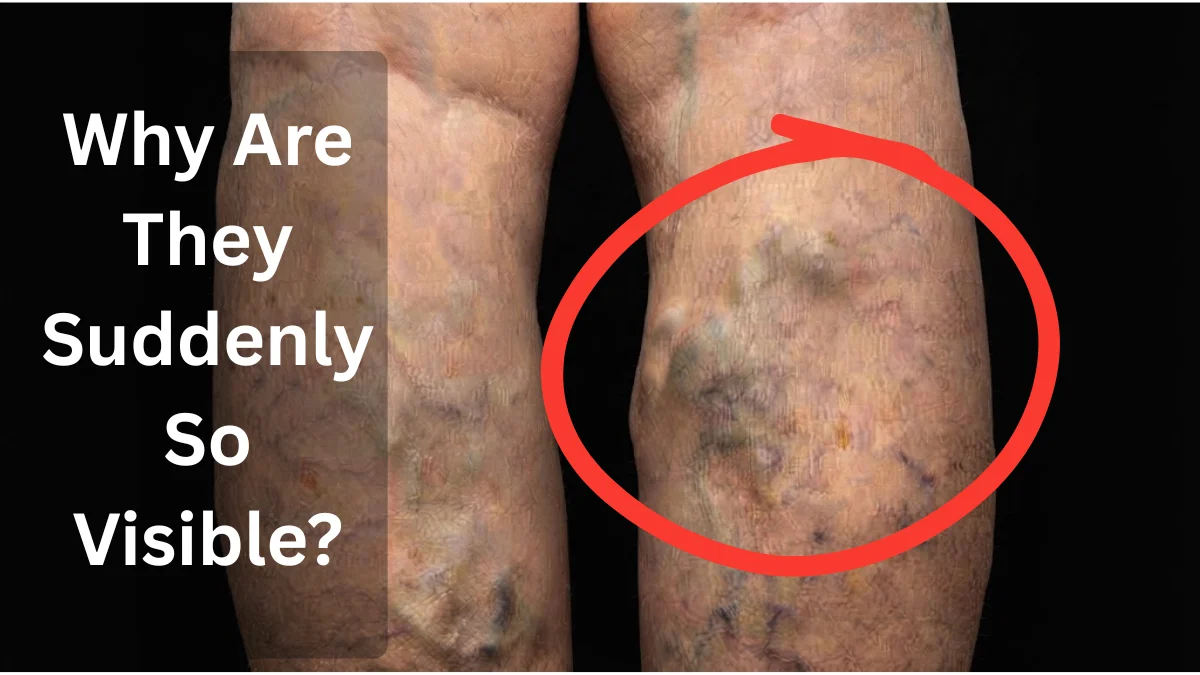
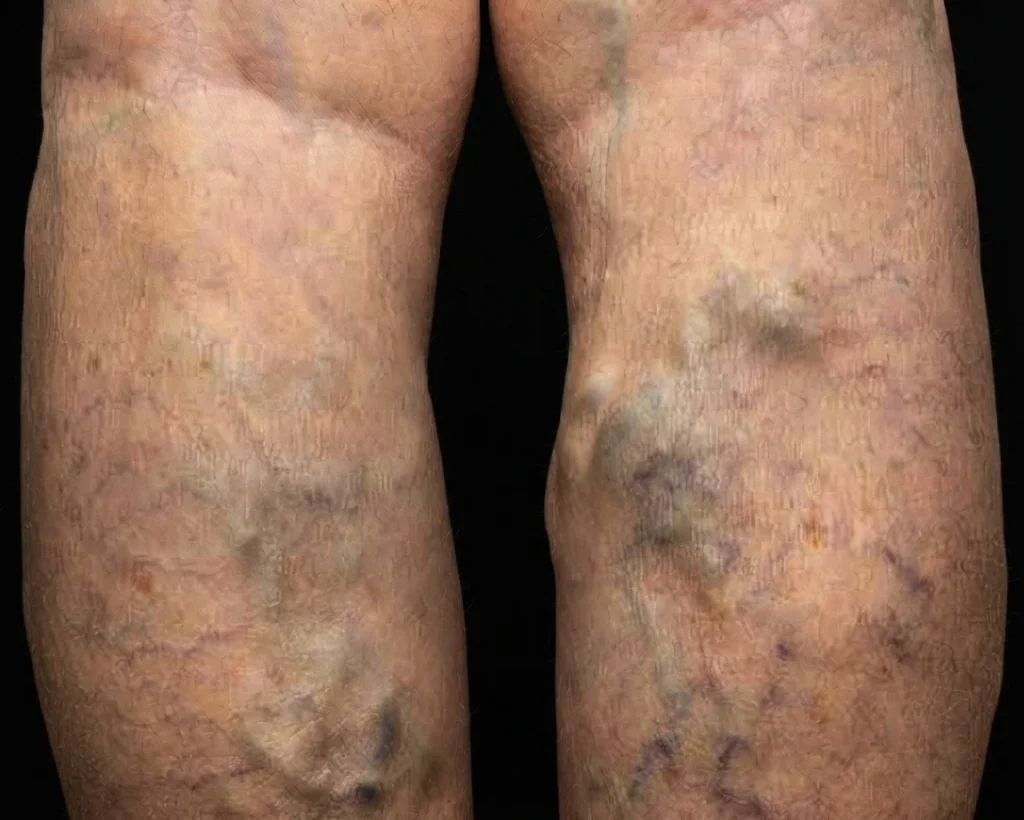
Spending long periods standing or sitting can affect circulation, particularly in the legs. Over time, prolonged pressure and weakened vein valves can contribute to varicose veins, which may appear enlarged, twisted or rope-like beneath the skin.
This is different from simply having naturally visible veins on your hands or arms.
Varicose veins are usually more obvious in the legs and may come with symptoms such as aching, heaviness, itching or swelling.
If you’ve started noticing prominent, twisted veins on your legs rather than just ordinary flat-looking veins, it’s worth paying attention to how they look and feel.
6. Veins May Simply Be Naturally Visible
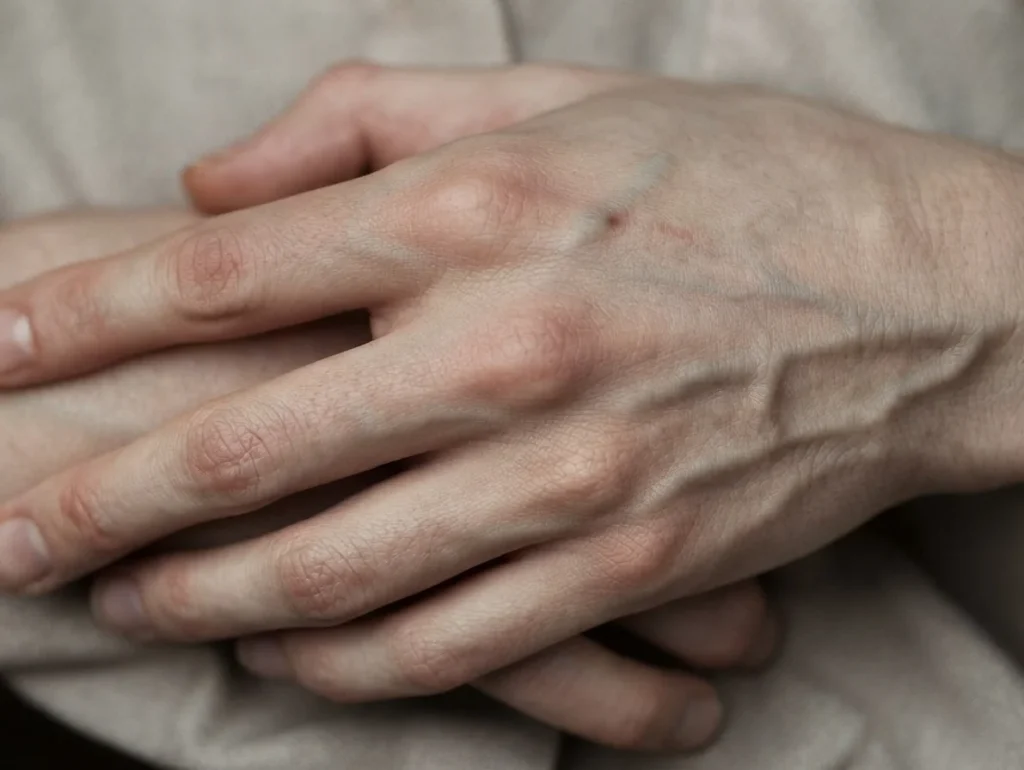
Sometimes there isn’t a hidden problem at all.
Some people naturally have veins that are easier to see than others.
Genetics, skin thickness, body composition and the position of superficial veins can all influence how visible they appear. Some experts also lists family history as a factor associated with vein problems such as varicose veins.
This is why one person’s hands may look almost completely smooth while another person’s veins are clearly visible even without exercising.
If you’ve always had noticeable veins and they aren’t painful, swollen, red or otherwise changing, their appearance may simply be part of your normal anatomy.
7. Sometimes a New Change Shouldn’t Be Ignored
This is the part that’s easy to overlook.
Most visible veins aren’t automatically a sign of a serious health problem. But a vein that suddenly becomes prominent and is accompanied by other symptoms deserves more attention.
Watch for changes such as:
- Pain or tenderness around the vein
- Redness or unusual discoloration
- Warmth over the area
- Swelling
- A vein that feels hard or unusually tender
- Sudden swelling or pain in one leg
These symptoms can occur with inflammation of a superficial vein or with conditions involving blood clots. Superficial thrombophlebitis, for example, can cause a painful, warm, red or swollen area around a vein.
Deep vein thrombosis (DVT) can cause swelling, pain or tenderness, usually in a leg.
That doesn’t mean every visible vein is a blood clot. Far from it. The key is the combination of a new vein change with symptoms such as pain, swelling, warmth or discoloration.
When Should You Get a New Visible Vein Checked?
If a vein suddenly looks different but you otherwise feel completely fine, it may have a harmless explanation such as exercise, heat, weight loss or naturally visible superficial veins.
However, Cleveland Clinic recommends contacting a healthcare provider about new bulging veins, particularly when there is pain, redness, warmth, swelling or discoloration.
And if you develop symptoms that could indicate a serious blood clot — especially significant leg swelling or pain — prompt medical evaluation is important. Sudden shortness of breath, chest pain, fainting or coughing up blood can be emergency warning signs of a pulmonary embolism and require immediate medical attention.